
Buffalo wings basics
Understanding what makes a Buffalo wing.

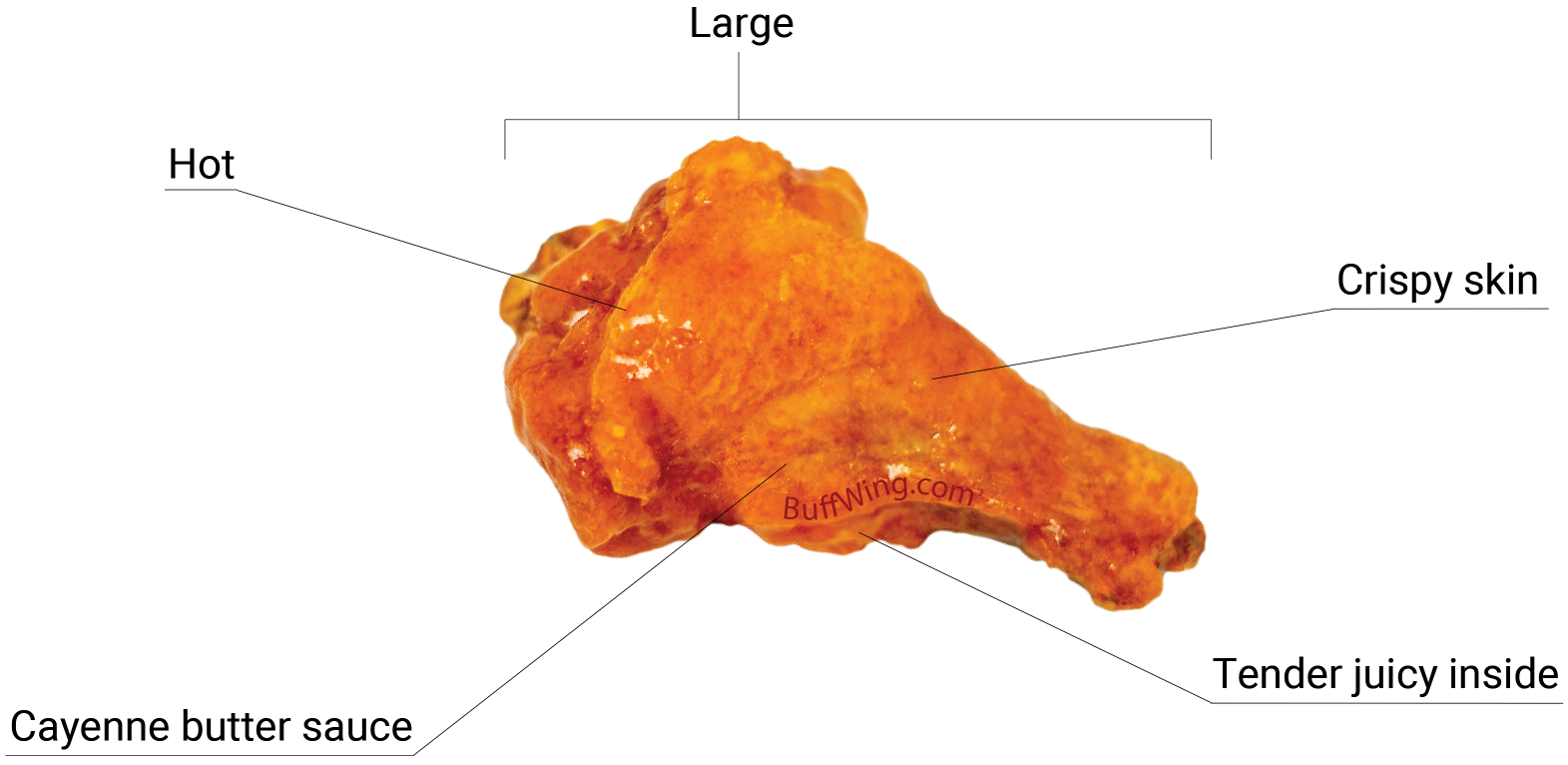
Large
It has to be big and meaty and should take about 3-4 bites to finish it off. 3.5 oz (99 grams) is the average weight of a raw chicken wing so aim for more than that.
Hot
It must be served ASAP. Out of the fryer to drain, tossed with sauce, on the plate and placed for consumption within minutes.
Crispy skin
Even though the wing is covered in hot sauce there should be an audible crunch.
Tender Juicy Inside
The meat should be firm but tender and not overcooked.
Cayenne Butter Sauce
It must be coated with cayenne (FRANK’S REDHOT®) and butter sauce.
Served with Blue Cheese Dressing
Good blue cheese dressing is key. When made right, it will perfectly cool and balance the spicy cayenne sauce.
Served with Celery
Wings are bombs of spice and fat. Celery is a refreshing palate cleanser between courses. The sharp and crisp flavor and texture of celery augments the qualities of the properly prepared Perfect Buffalo Wing. Plus, vegetables are good for you.
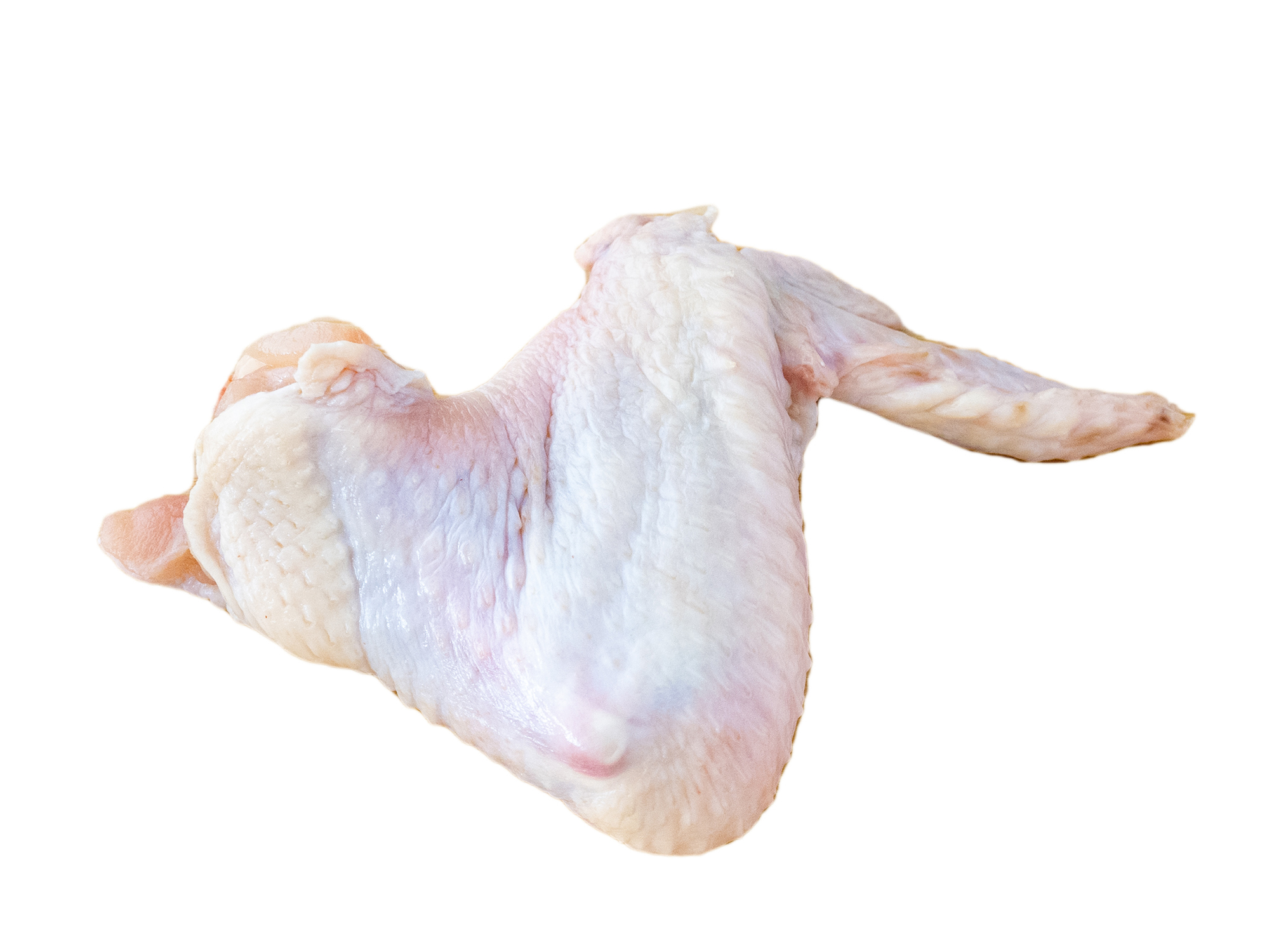
The whole chicken wing
Long before they gain the honor of being called Buffalo wings, these sections begin life attached to an actual bird. Specifically, a jungle fowl… better known as a chicken.
When the chicken has lived its best life and is ready to move on to, well, not living… The chicken is processed, its feathers removed, and its parts separated and sent to where they are needed. Everyone has their own favorite part of the bird, whether it’s the breast, thigh, drumstick or wings.
Whole chicken wings are made up of three parts: the drumette (drum), wingette (flat), and tip (tip). At this point, whole chicken wings are little more than skin, bone, meat and potential.
Fun fact: for a long time, wings were commonly regarded as a waste product and used to make stock or simply discarded. When I was young and Buffalo wings were still catching on, chicken wings were so cheap, bars commonly gave them away (yes, for free!) to attract customers. Today, wings have become the most expensive part of the bird.
Chicken wings can be cut into sections or left whole before being prepared using many different cooking methods and seasonings. Buffalo wings are just one way to prepare chicken wings… the best way.
Chicken wing anatomy
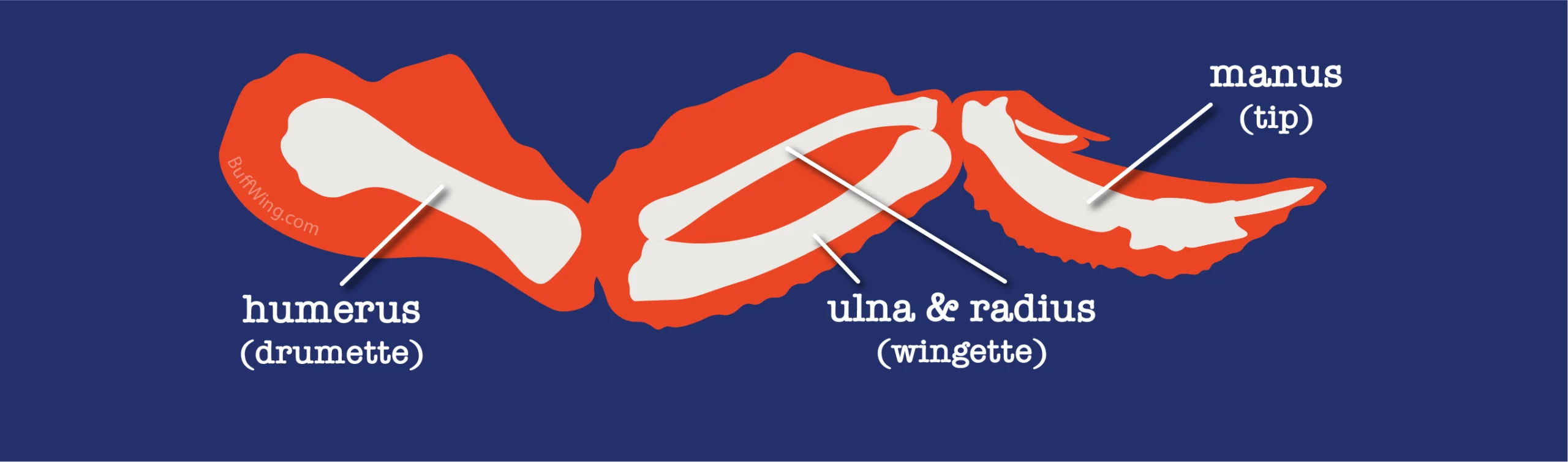
chicken Wing Glossary
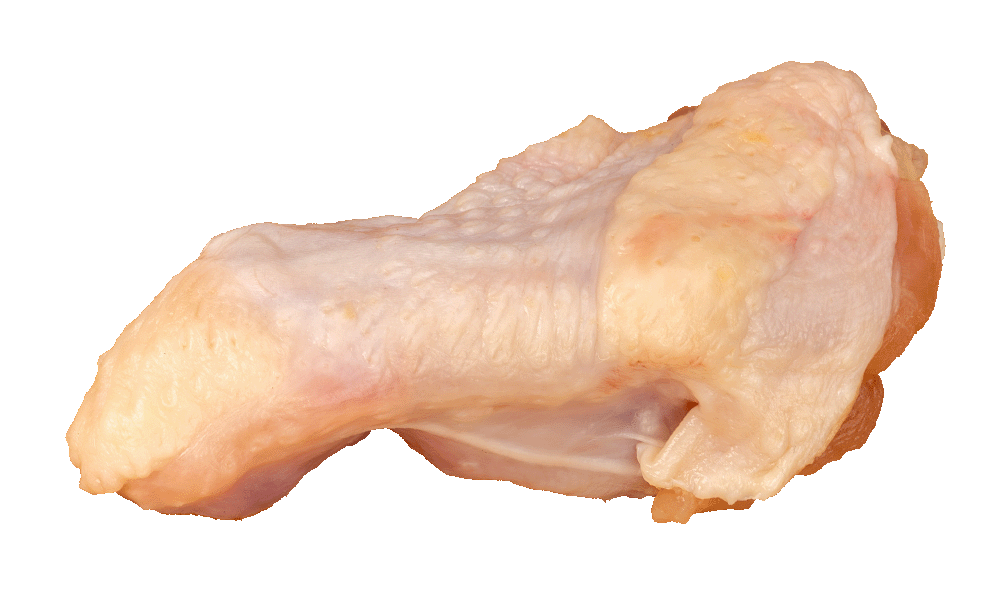
Drumette (drum)
sometimes called a drum. This is the chicken wing with one bone that looks like a small drumstick.
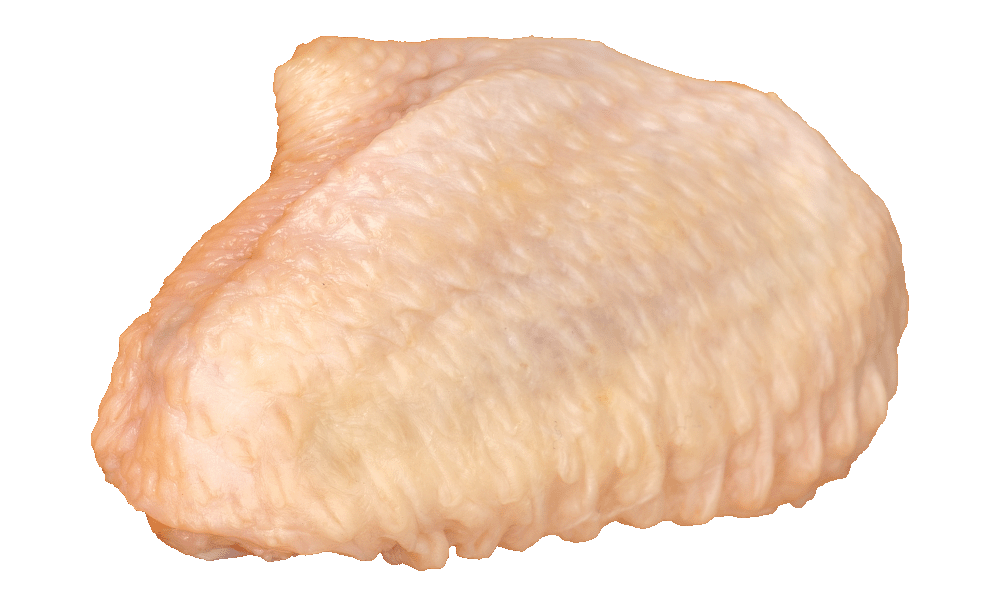
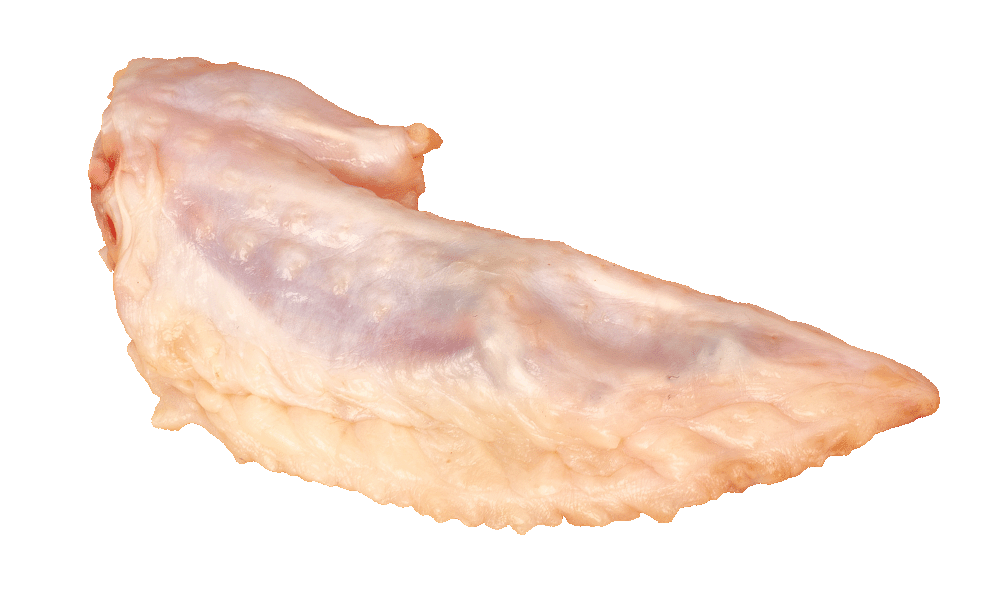
wingette (flat)
sometimes called a flat. This is the chicken wing section with two bones.
tip (tip)
This chicken part has no other name I know of, just the tip.
Typically discarded or used to make chicken stock. They should not be served as Buffalo wings.
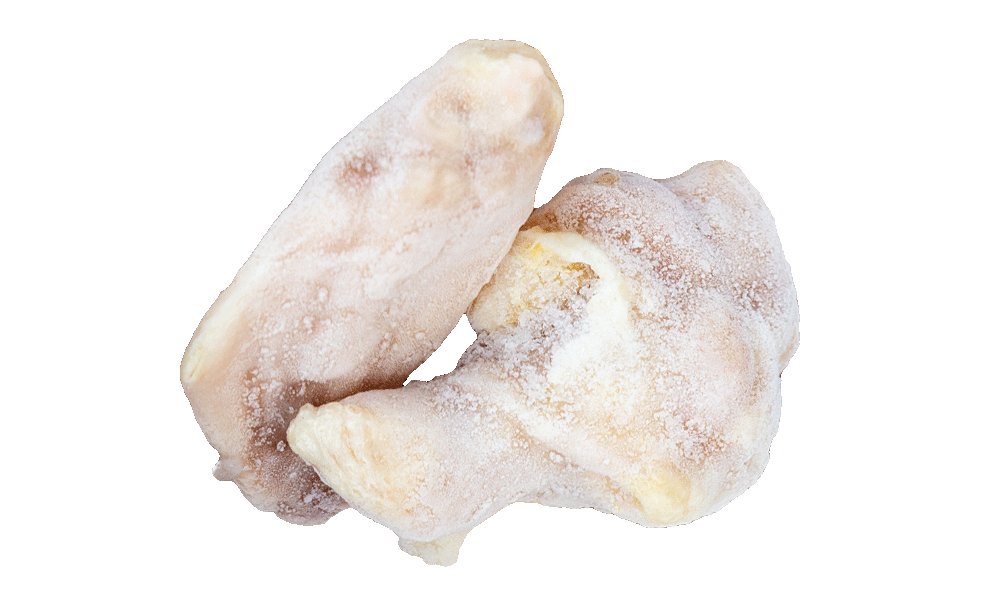
Party wings
Party wings are chicken wings that have already been separated into drumettes and wingettes. They may be sold fresh or frozen.
What a buffalo wing is not
Contrary to popular belief (outside of Western New York), Buffalo wings are not wings that come from the back of the American bison.
Wings are often prepared in ways that stray from the Buffalo style.
Common mistakes include:
- Baking instead of frying
- Breading the wings
- Using the wrong sauce
- Serving wings with ranch instead of blue cheese
Making chicken wings using these methods does not necessarily make them bad. I have eaten delicious chicken wings prepared many ways and enjoyed every bite. But they were not Buffalo wings.
Less than perfect buffalo wings
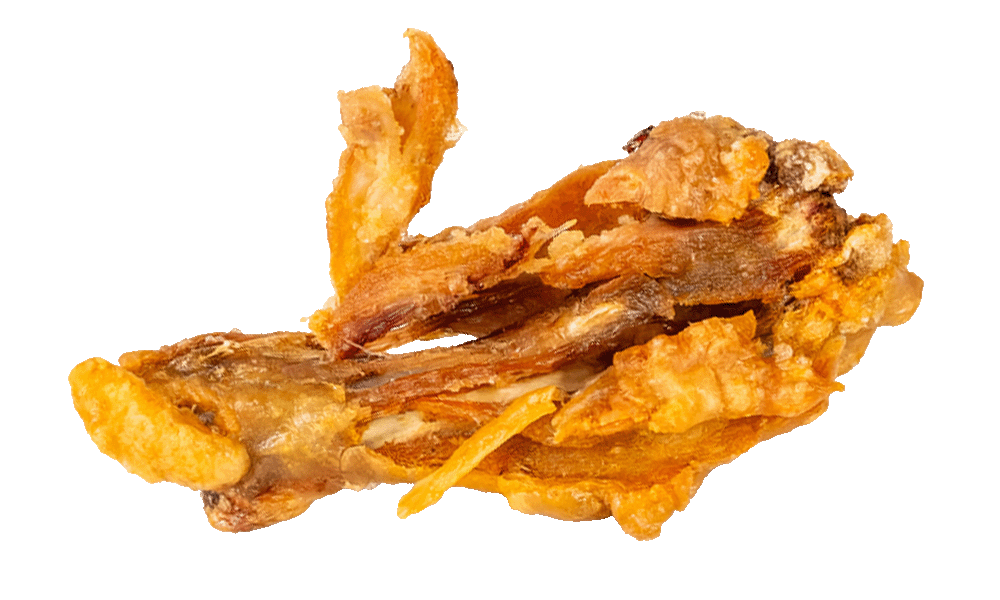
Dry meat
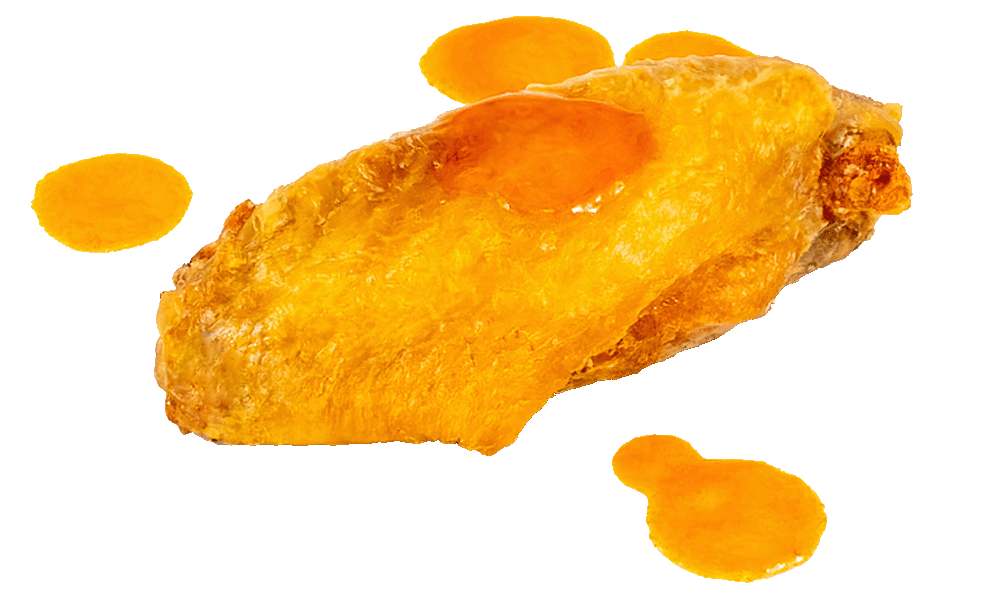
Not Enough Sauce
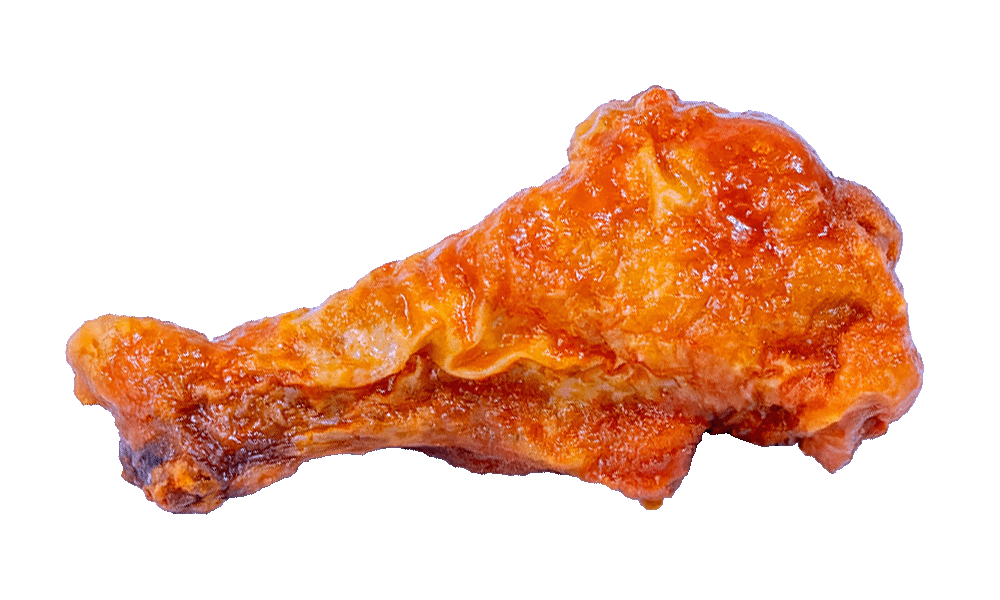
cold
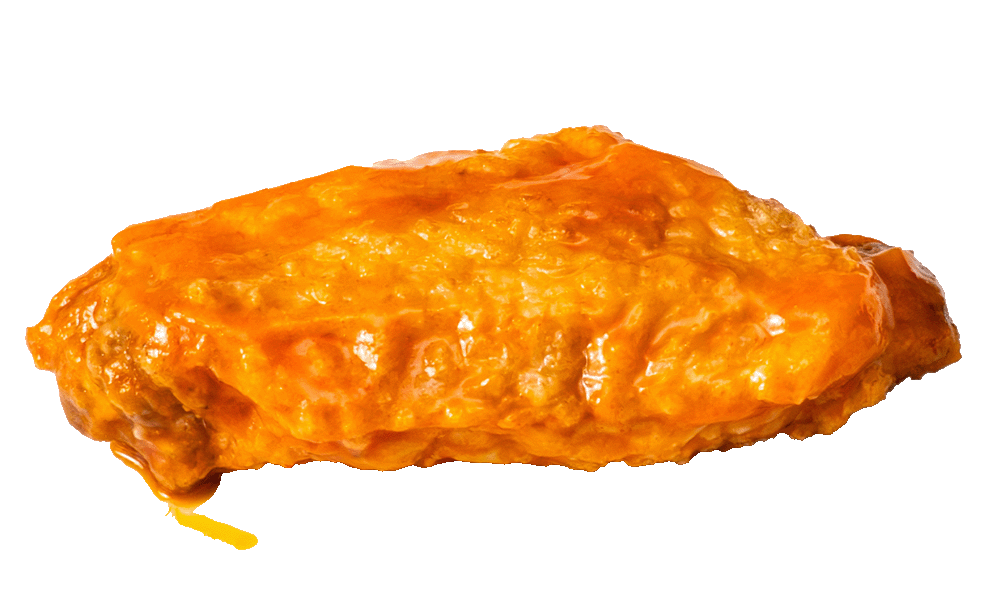
soggy skin
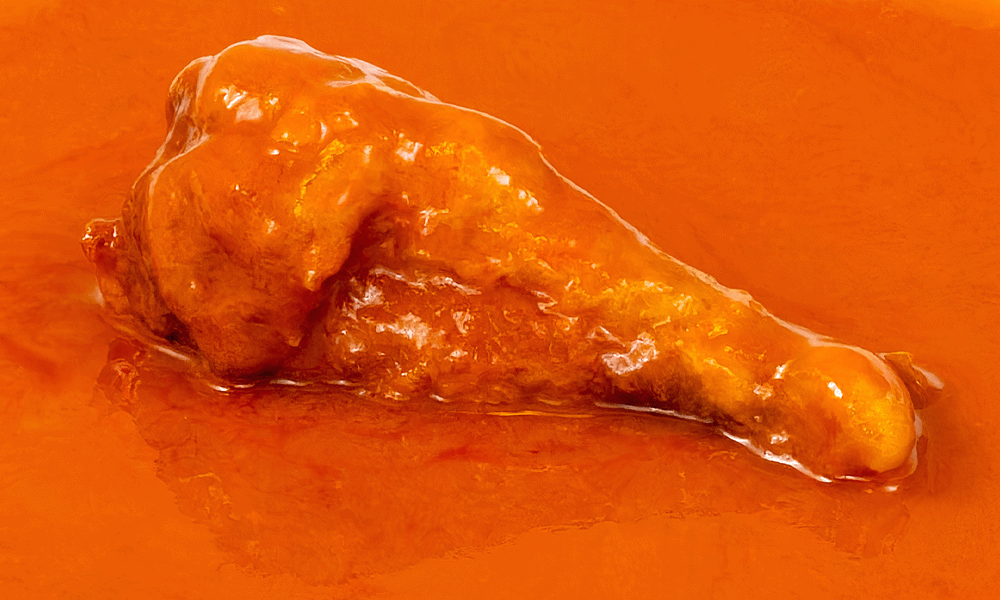
too much sauce
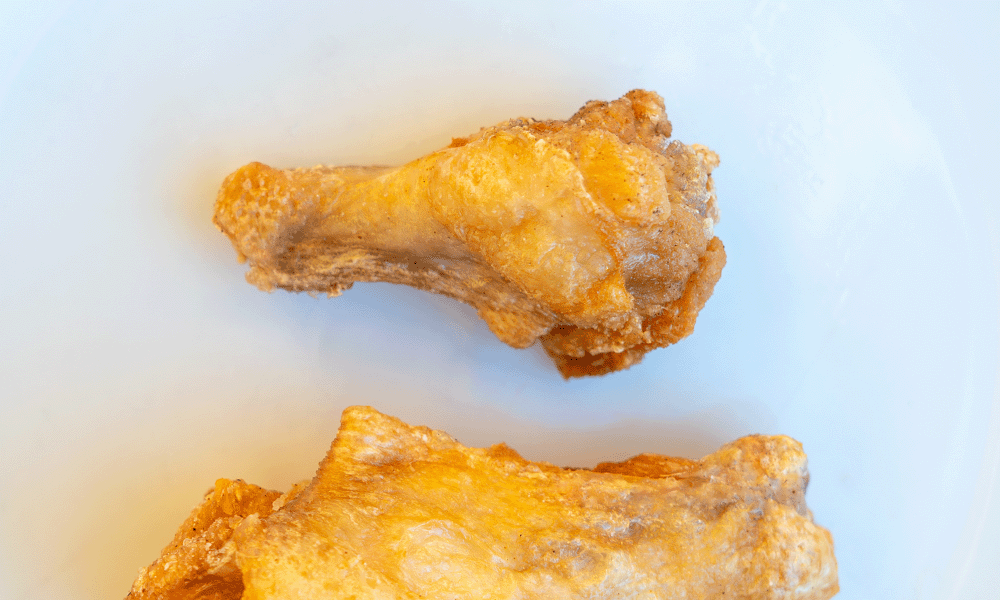
too small
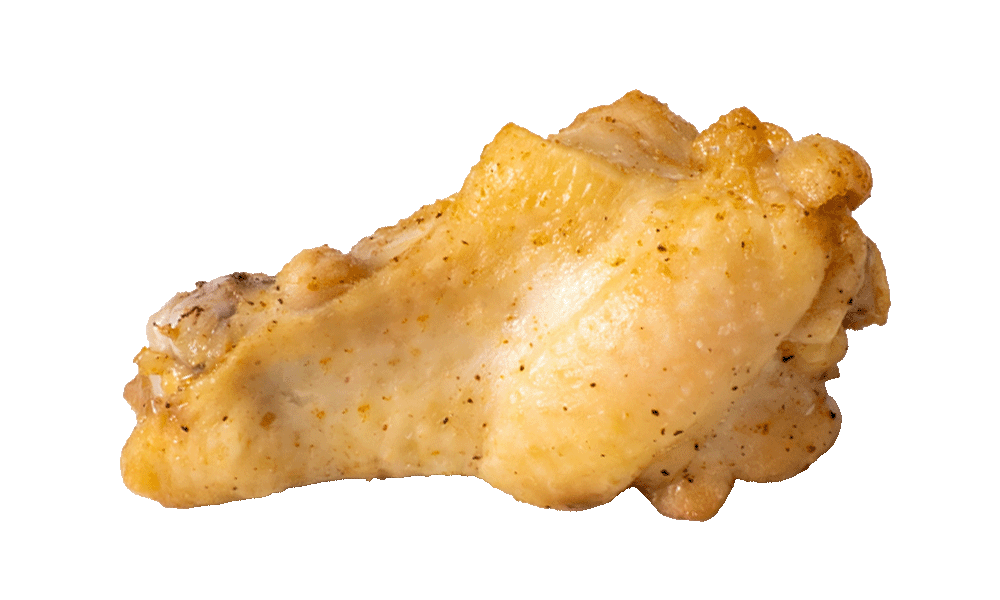
Under cooked
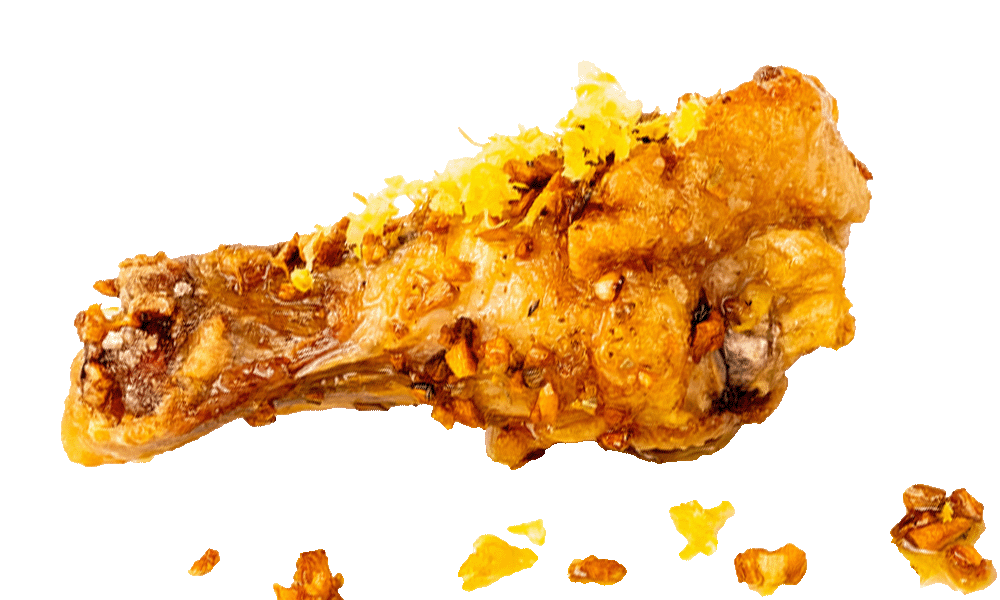
wrong sauce
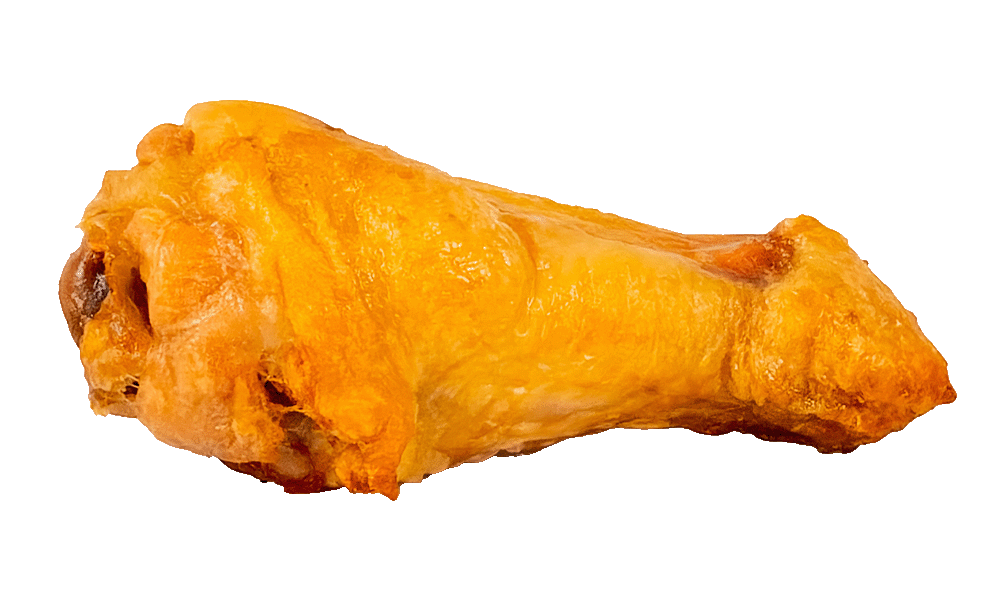
not fried
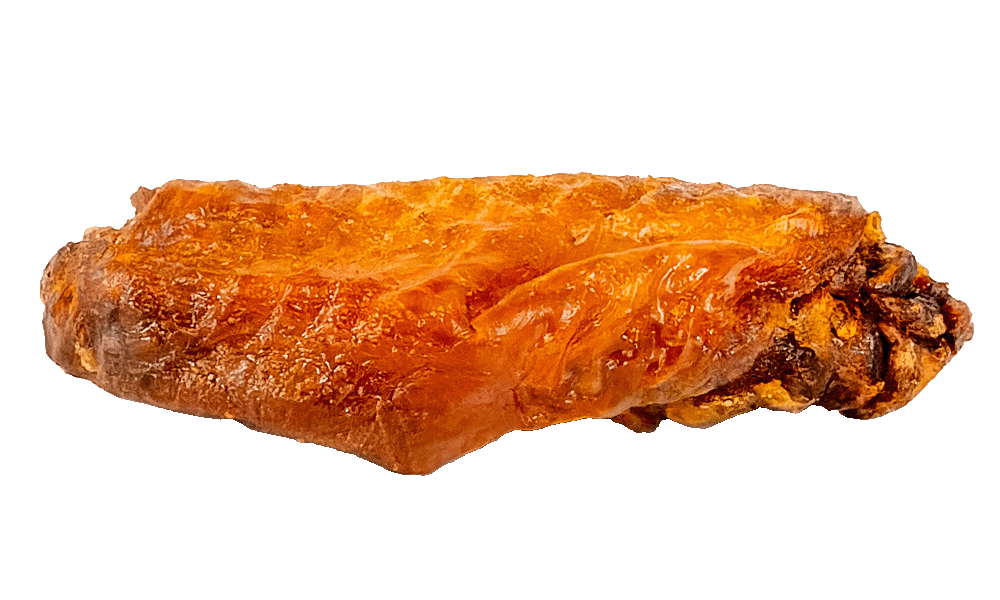
over cooked
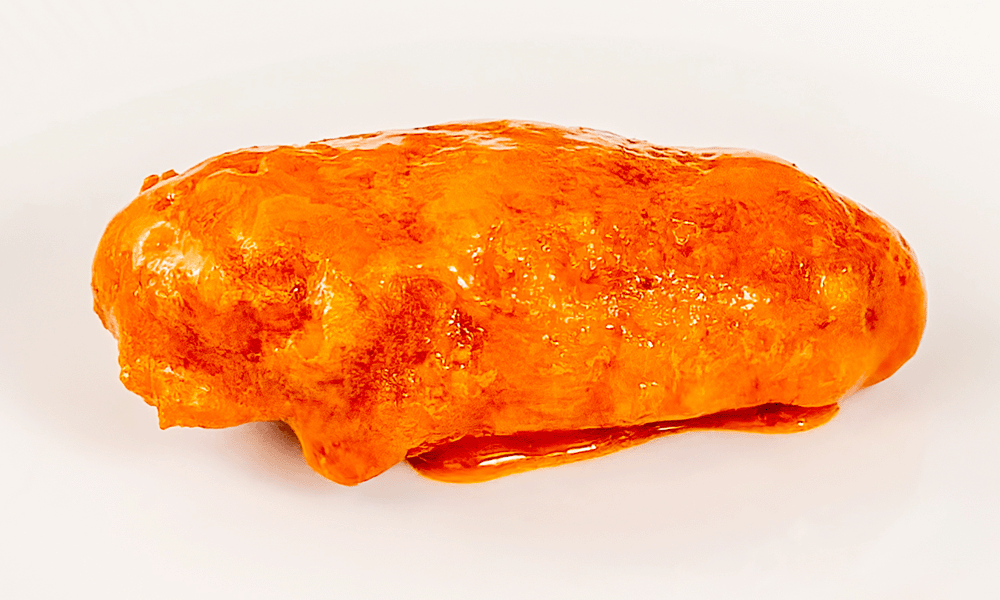
battered
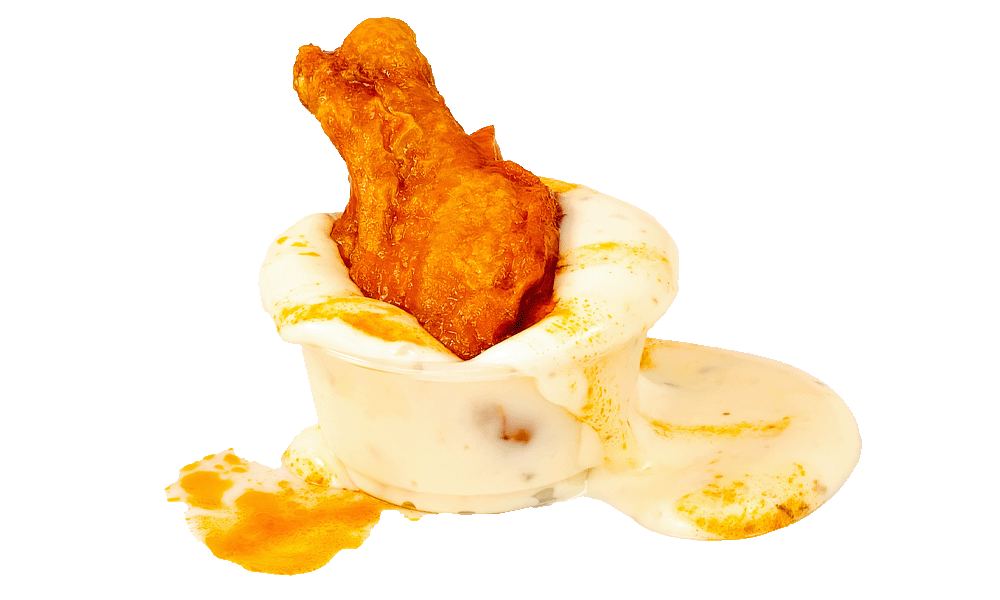
served with ranch

Image: Anchor Bar
Buffalo wing origin story
Buffalo wings originated in 1964 at the Anchor Bar in Buffalo, New York. Legend has it that co-owner Teressa Bellissimo prepared them as a late-night snack using leftover wings and a simple sauce of hot sauce and butter.
They were an instant hit.
What began as a bar snack quickly became a defining dish of Buffalo and eventually spread across the United States.

READY TO PUT THE BASICS TO WORK?
Now put it all together with the complete guide to making authentic Buffalo wings at home.