Classic Buffalo Wings: The Complete Guide + Recipe
Classic Buffalo Wings
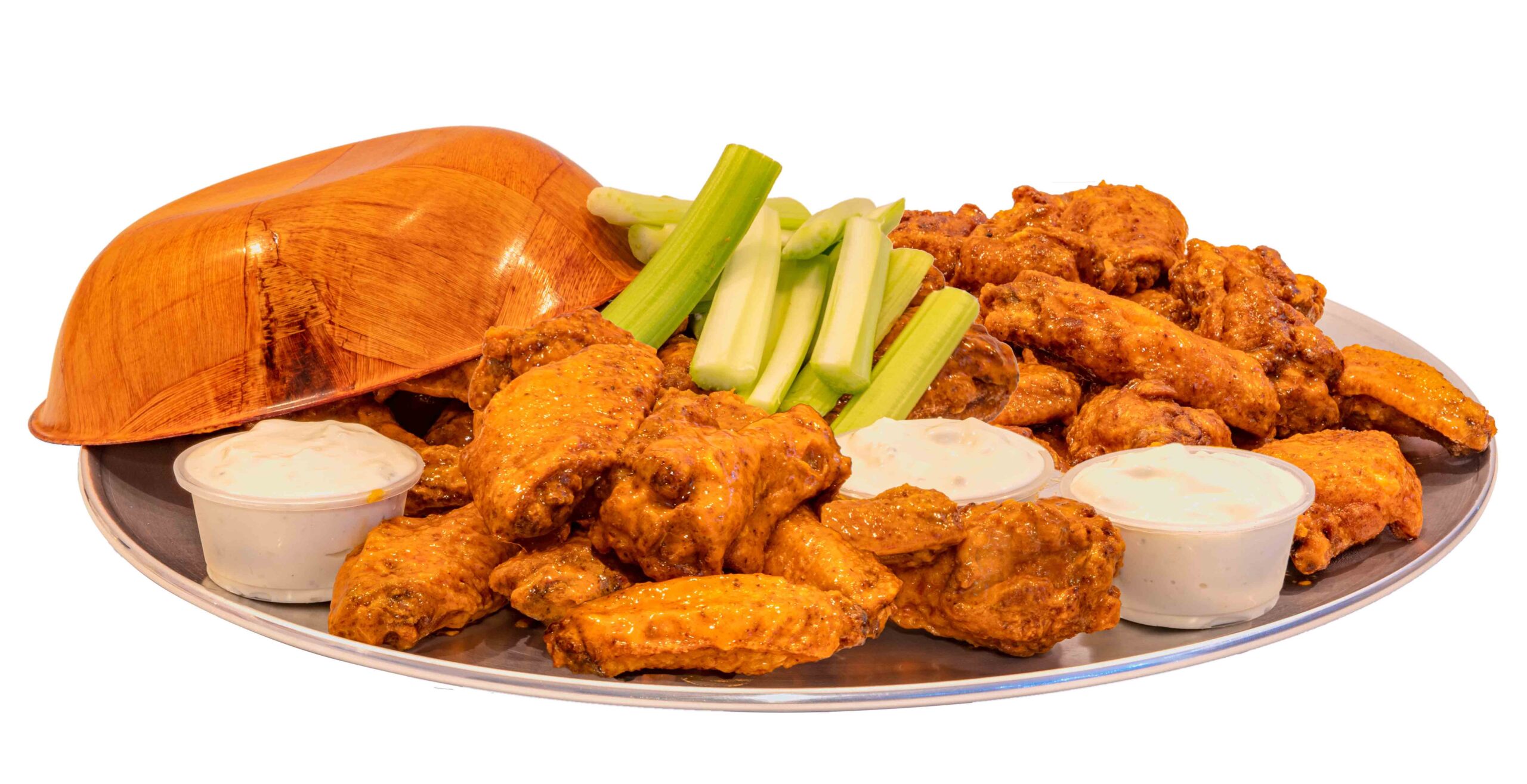
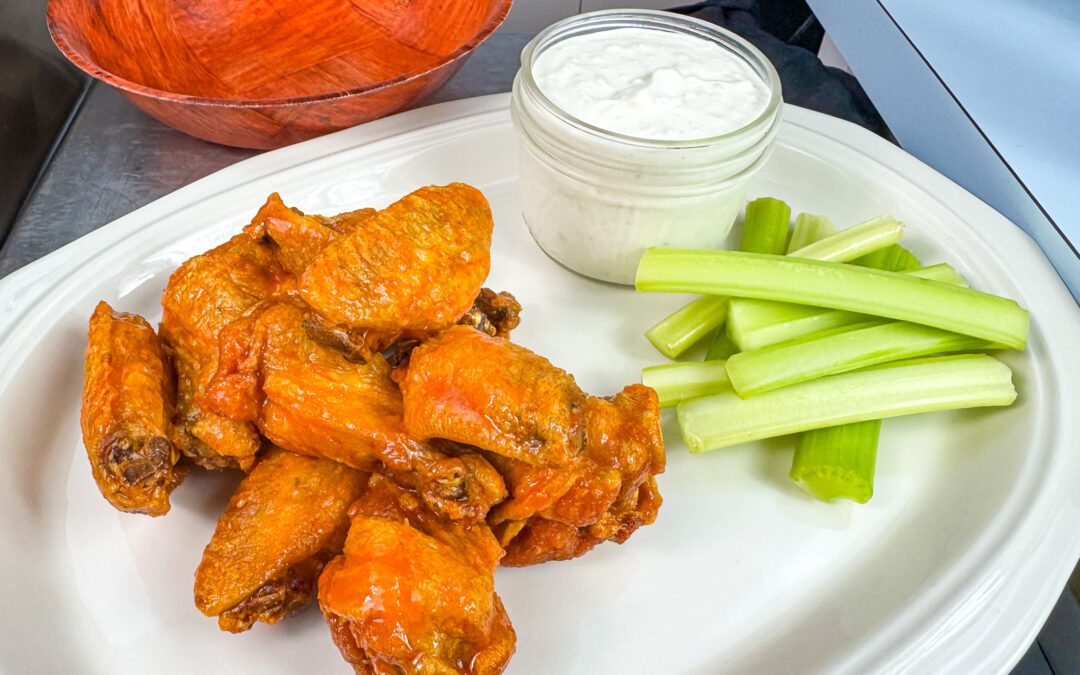
Welcome to my Buffalo wings master recipe. If you're just looking for the recipe, click the button above and you'll go right to the recipe card. If you want to learn more about the process and understand why some methods produce better Buffalo wings than others, you're in the right place. Here, we will focus on the basics, concentrating on what is most important and what will make a real difference in our pursuit of perfect Buffalo wings at home.
My goal is to show you how Buffalo wings are traditionally made in Buffalo and how to get the best possible results at home. Buffalo wings have been around for a long time, and the methods that produce the best results haven't changed much. The process itself is not overly complicated, but it does require doing it right. Perfect Buffalo wings are not about tricks or secret ingredients. They are about preparation, proper frying, the right sauce, and great blue cheese dressing. To keep this guide concise, I’ve included links to more detailed articles throughout.
What Makes a Perfect Buffalo Wing?
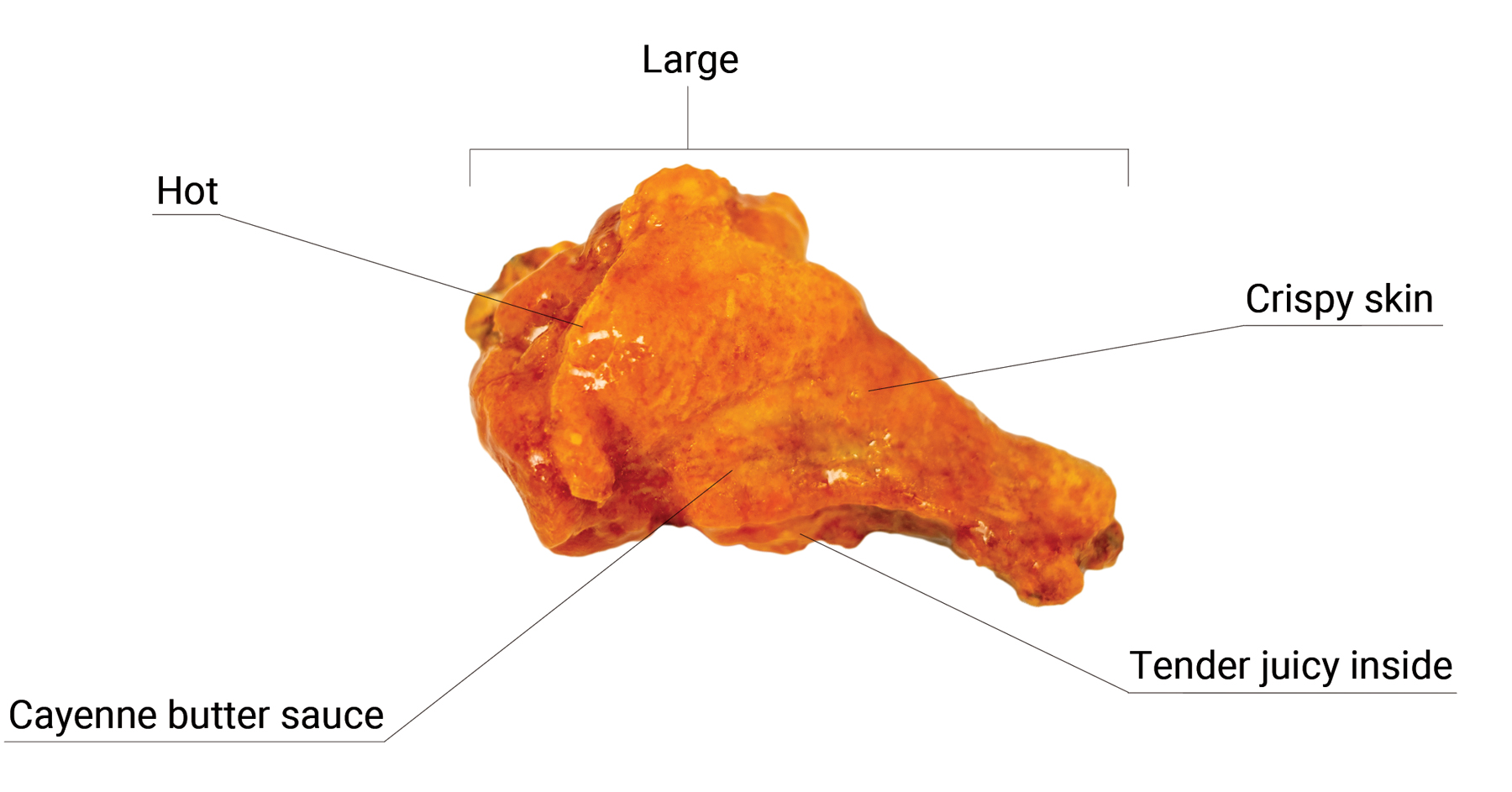
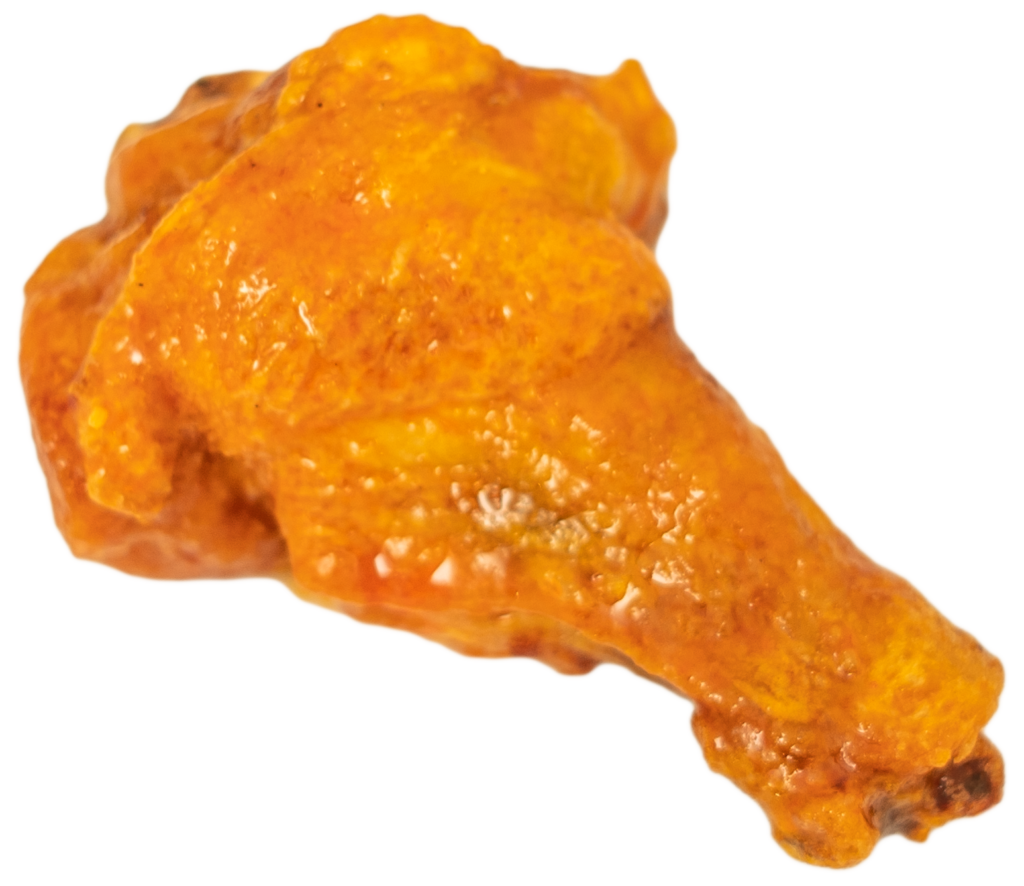
Before learning how to make Buffalo wings, it helps to know what we're trying to create. A perfect Buffalo wing is a large, hot, crispy, juicy and deep fried chicken wing. It should be coated in a cayenne pepper sauce and butter mixture and served with blue cheese dressing and celery. These characteristics are what separate truly great Buffalo wings from the rest.
For an excessively detailed discussion of what makes a perfect Buffalo wing, see: Buffalo Wing Basics
Ingredients You’ll Need
Chicken wings: You will typically have a choice between frozen "party wings" and fresh uncut wings. I prefer fresh wings and look for the largest ones available.
Oil: You’ll need enough cooking oil to fill your fryer to the recommended level. Any cooking oil with a high enough smoke point will work. Canola or vegetable oil are popular and inexpensive, but peanut oil, though more expensive, is worth the investment.
Cayenne pepper hot sauce: The difference between fried chicken wings and Buffalo wings mostly comes down to the sauce. Buffalo wing sauce is a mixture of butter and cayenne pepper sauce. Though other brands exist, Frank’s RedHot is the best.
Butter: Can't make Buffalo wing sauce without it.
Blue cheese dressing: Blue cheese dressing is the traditional dip for Buffalo wings. I believe it is just as important as the sauce, and possibly the wings themselves. Buffalo wings just aren’t the same without it.
Celery: Celery is the traditional side for Buffalo wings, and I highly recommend not skipping it.
Salt: Season wings with salt before cooking. You can add other spices if you want, but there is already a lot of flavor in the sauce and blue cheese dressing.
Gear You’ll Need (and Some You’ll Want)
In addition to the basic kitchen gear found in most kitchens (bowls, knives, measuring cups, etc.), you will need a way to deep fry your wings and keep track of time. A dedicated fryer is helpful but not required. There are also a few optional items, such as accurate probe-style thermometers, that can make the process easier.
For the full list, see: Buffalo Wing Kitchen Tools
Prep Before Frying
You will need to do a bit of prep before your wings are ready to fry.
Thawing: If using frozen wings, thaw them completely and drain away any excess water.
Cutting wings: Fresh wings will likely need to be cut into sections and the tips discarded. [LINK: How to Cut Chicken Wings]
Drying wings: Though optional, I recommend drying your wings on a rack, uncovered in the fridge overnight. This helps produce crispier skin. [LINK: How to Dry Wings for Crispy Skin]
Seasoning: Season your wings with salt before cooking. [LINK: How to Season Wings (Before & After Frying)]
Tempering: Remove your wings from the fridge about 20 minutes before frying. Cover in plastic or keep them in a zip-top bag to keep condensation off. Warmer wings help the oil stay hotter when they hit the fryer.
How to Fry Wings Properly
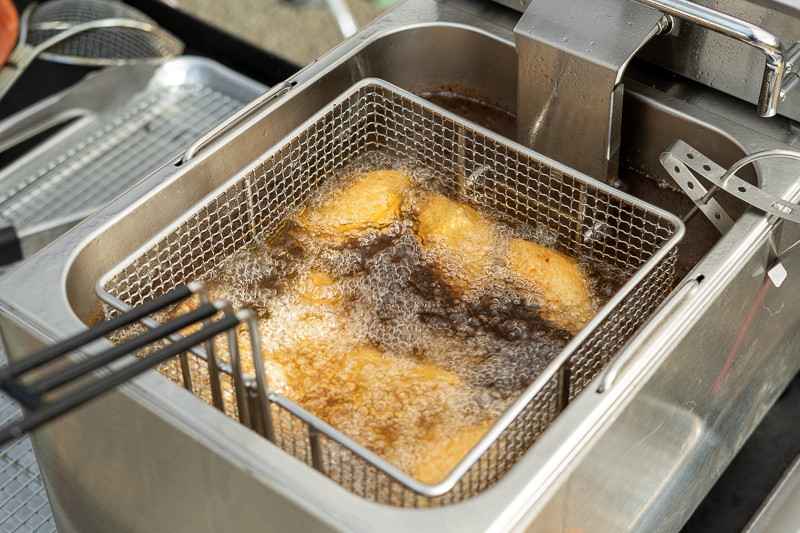
Learn More: Frying Chicken Wings
Chicken wings can be cooked many different ways, but frying is the traditional method for creating Buffalo wings and will give you the best results.
Know your fryer: People fry wings using all kinds of setups, from pots on the stove to electric countertop fryers and commercial pressure fryers. Just about any frying system will work, but producing truly excellent wings requires knowing your fryer’s abilities and limitations.
Maintain oil temperature: Fry temperature is one of the most important factors in creating perfect Buffalo wings. Don’t trust your fryer to keep the temperature. I recommend using a probe-style deep fryer thermometer to monitor the heat.
Cook smaller batches: One of the most common mistakes for a first-time wing maker is frying too many wings at once. Common home fryers have limited power and may not be able to recover the heat of the oil quickly enough, resulting in wings with sad, soggy skin.
Add wings carefully: Avoid splatter by using a fryer basket, slotted spoon, or tongs to gently lower wings into hot oil. When done right, there is little to no splash.
Keep wings moving: Oil can be hotter in one area than another. Move the wings around once or twice while cooking so they cook evenly.
Know when wings are done: Wings are done when they are light brown, blistered, and floating. That is a reliable sign the skin is well rendered and crispy, and the inside meat is fully cooked.
For food safety, the USDA recommends using a probe thermometer to make sure the center of the thickest wing is above 165°F.
Avoid frying from frozen: Though technically possible, I do not recommend frying wings from frozen. Frozen wings can rapidly cool your oil, making it difficult to properly crisp the skin, and the ice on their surface can cause dangerous splatter or boil over.
Hot Sauce
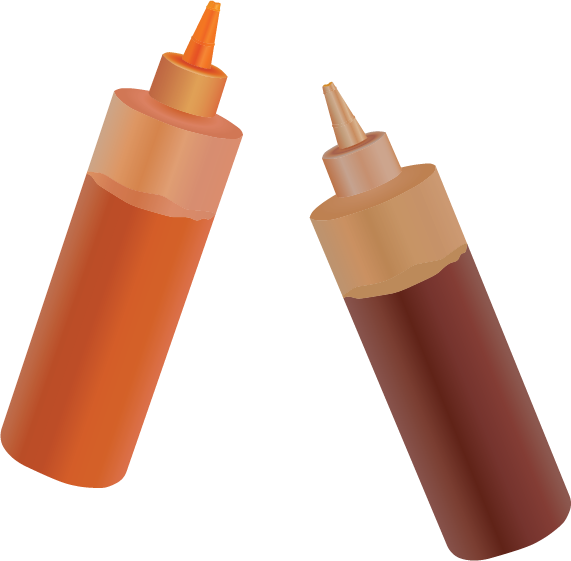
Learn More: Buffalo Wing Hot Sauce
Authentic Buffalo wing sauce is made with butter and cayenne pepper hot sauce. I only use Frank’s RedHot. It’s what I grew up with and what many of the best wing joints use.
Premixed bottled sauces exist and are an acceptable shortcut, but I’ve yet to find one that can compete with homemade.
Saucing Buffalo Wings
Learn More: Saucing Chciken Wings
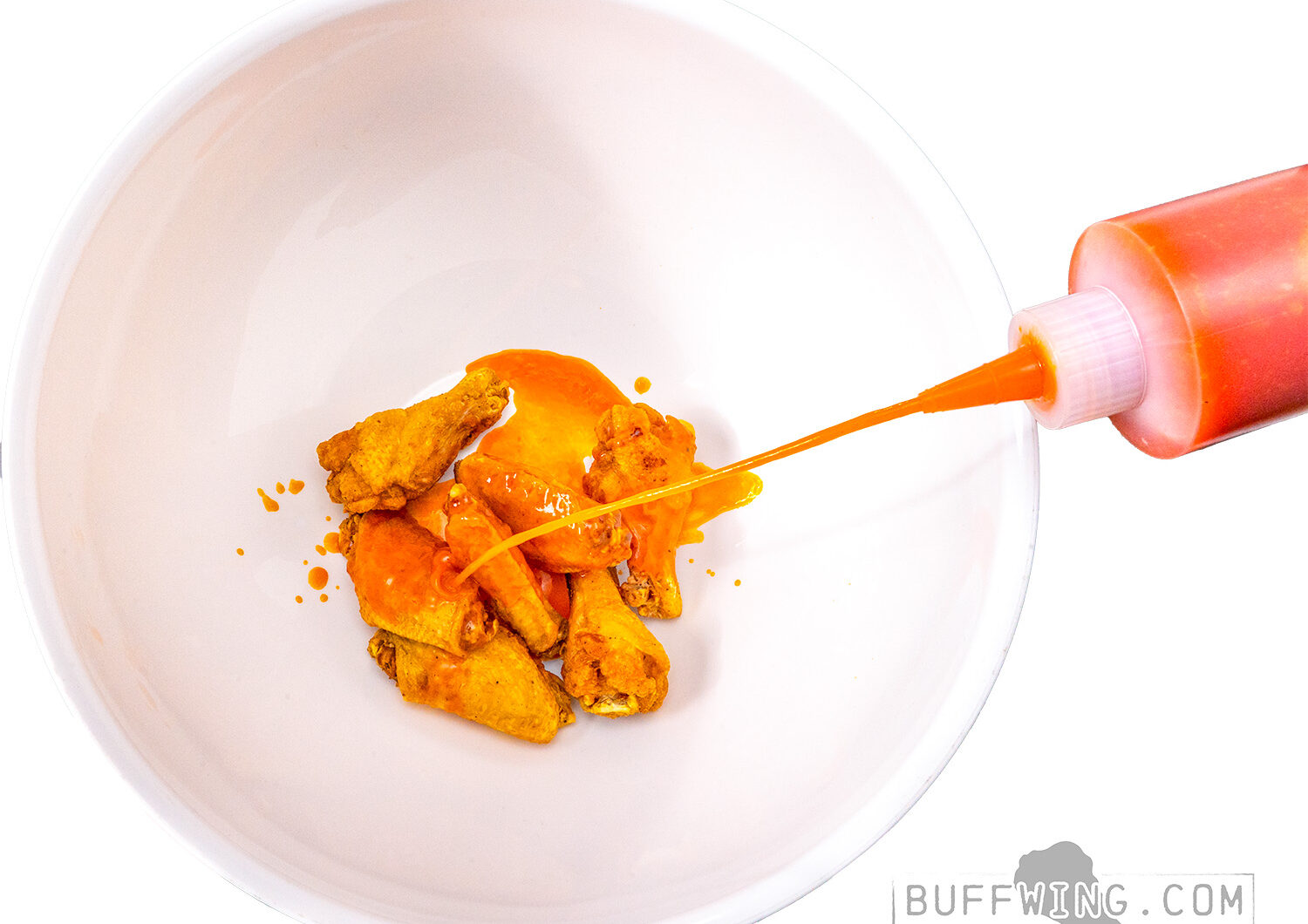
Prepare the hot sauce and, if available, fill a squeeze bottle with it. Drop the fried and drained wings into a large bowl and add sauce directly to them. Toss or stir until evenly coated.
Using tongs, remove the wings one at a time and place them on a fresh serving plate. Pouring the wings directly onto the plate works, but too much excess sauce can cause them to lose their crunch prematurely.
Speed is important. The moment the sauce touches the wings, they start to lose their crispiness.
Blue Cheese Dressing
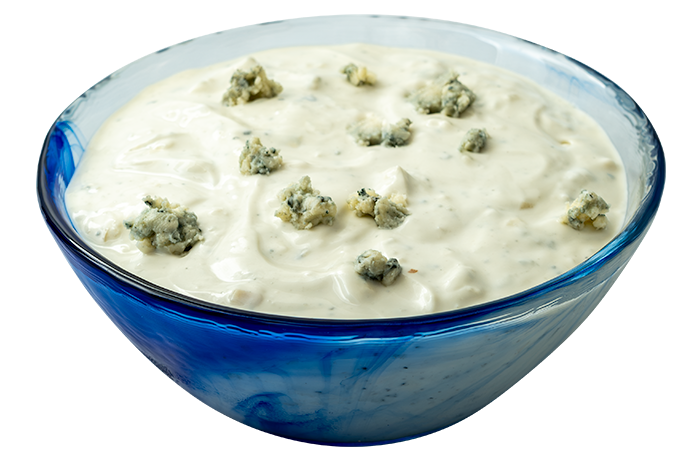
Learn More: Blue Cheese Dressing for Buffalo Wings
Blue cheese dressing is the traditional dip for Buffalo wings.
Great blue cheese dressing is key. It not only balances the spicy cayenne sauce, it literally cools the wings. The best Buffalo wings are served piping hot out of the fryer. Try eating a few without a massive scoop of blue cheese dressing and see how that feels.
Bad... It feels bad.
Some believe it is acceptable to serve Ranch in its place, but it is definitely not Buffalo-style.
Celery
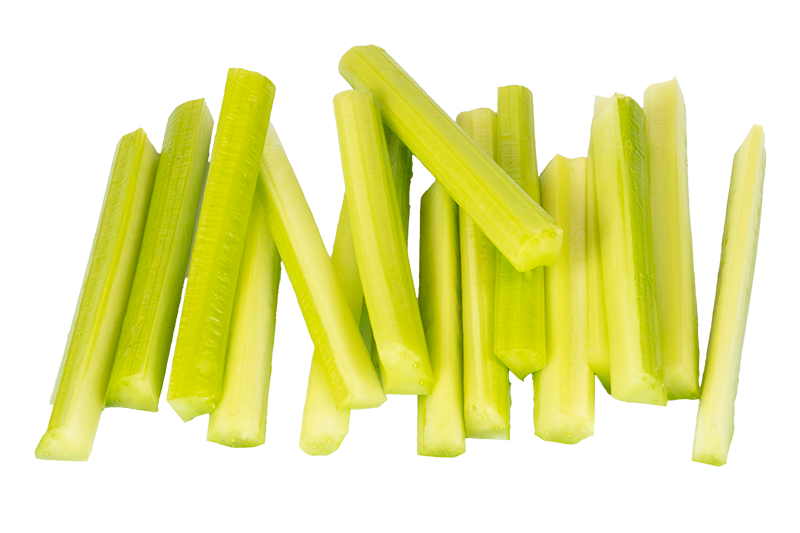
Learn More: Celery Sticks
Celery should be more than garnish. It is a refreshing palate cleanser between wings, and it belongs on the plate. Its sharp crunch and clean flavor are the perfect contrast to spicy, hot, buttery Buffalo wings.
Common Issue: Skin Isn’t Crispy
Skin that isn't crispy can usually be traced back to one or more of three root causes:
- Frying at insufficient heat: Low oil temperature prevents the skin from crisping properly. Overcrowding the fryer is one of the most common reasons this happens.
- Raw wings weren't dry enough: Excess surface moisture makes it more difficult for the skin to crisp.
- Saucing too early: The longer wings sit in sauce before serving, the more crispiness they lose.
Below are a few important safety reminders.
Hot oil: Hot oil is dangerous, and burns can be brutal. Use caution when frying.
To reduce the risk of splatter and boilovers:
- Do not fill your fryer with oil past the fill line.
- Be sure wings are as dry as possible before adding them to the oil.
- Add wings carefully.
- Do not overfill your fryer.
- Don’t fry frozen wings.
Peanut allergies: Peanut oil is excellent for frying, but always check for peanut allergies before serving guests.
Final Thoughts
Perfect Buffalo wings are not about secret ingredients or special tricks. None of this is overly complicated, but the details do matter. Do the basics right: prep your sauce, blue cheese, and celery ahead of time, dry the wings, don’t overload the fryer, and watch your oil temperature. Sauce them quickly using the right sauce and get them on the table fast, serving them hot with blue cheese and celery.
Now go make some hot, crispy, juicy, buttery, spicy, blue cheesy Buffalo wings.
Buffalo Wings
Traditional Buffalo wings that are hot, crispy, juicy, and coated in homemade Buffalo wing sauce. Served with blue cheese dressing and celery.
4
servings20
minutes10
minutes24-48
HoursIngredients
5 lb raw chicken wings
2 1/2 tsp kosher salt (1 1/4 tsp table salt)
frying oil (peanut oil preferred)
1/2 cup Buffalo Wing Hot Sauce
1/2 cup Blue Cheese Dressing
1 bunch celery, cut into Celery Sticks
Directions
- Prep the Wings
• Thaw frozen wings completely.
• Cut whole wings into drums and flats. Discard tips.
• Dry thoroughly.
• Season with salt.
See these helpful guides for proper thawing, cutting, drying, and seasoning techniques.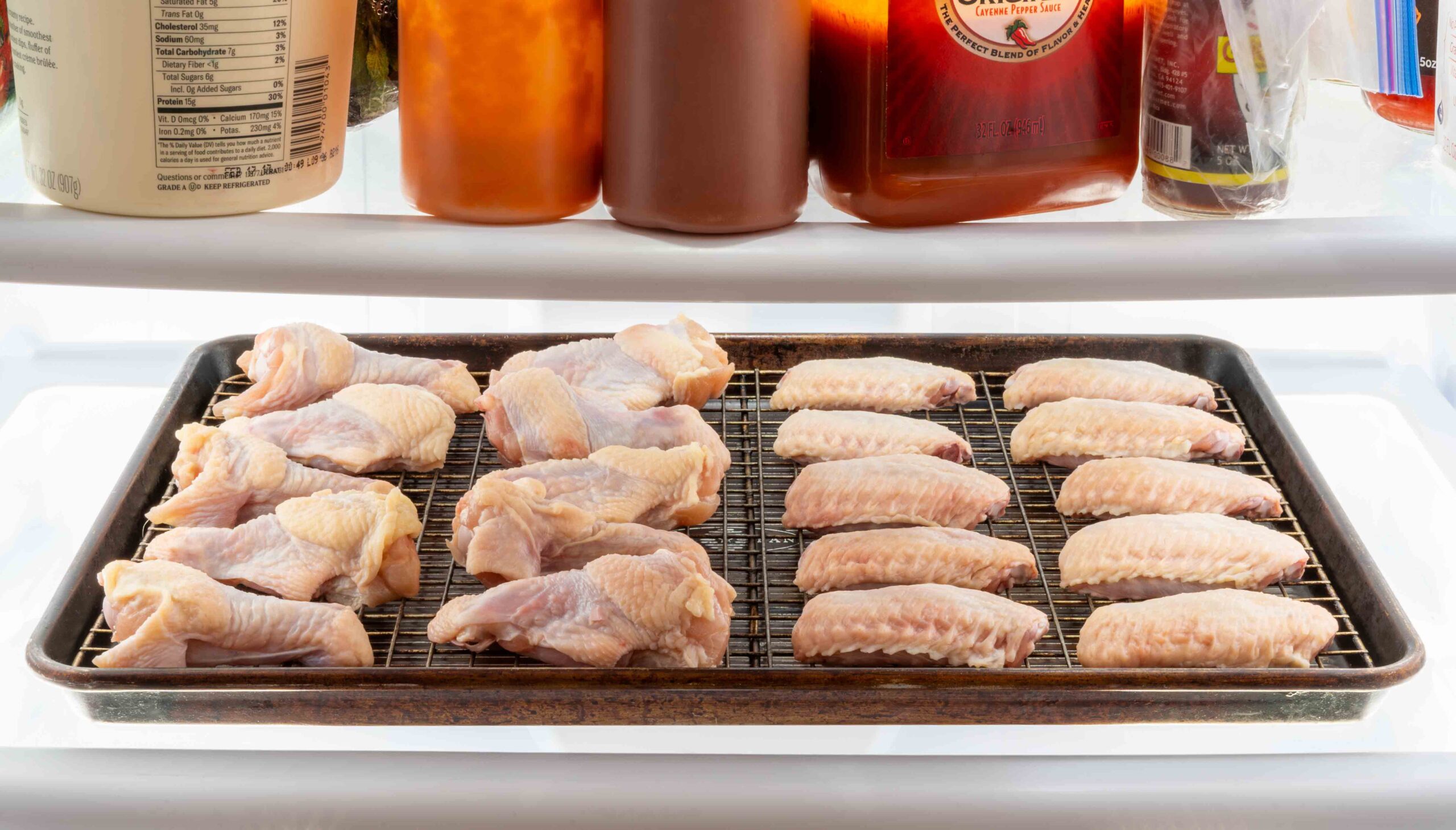
- Temper the Wings
• Remove wings from the refrigerator.
• Cover or place in a large zip-top bag to prevent condensation.
• Let stand about 20 minutes before frying. - Heat the Oil
• Heat oil to 375°F (190°C).
• Verify temperature with a thermometer if possible. - Fry the Wings
• Fry in batches, avoiding overcrowding.
• Cook 7–14 minutes.
• Wings are done when light brown, blistered, and beginning to float. For food safety, the USDA recommends an internal temperature of 165°F (74°C).
See Frying Chicken Wings - Drain and Sauce
Drain briefly on a wire rack or paper towels (about 30 seconds).
• Place wings in a large bowl.
• Add Buffalo Wing Hot Sauce.
• Toss or stir until evenly coated.
See How to Make Buffalo Wing Sauce & Saucing Chicken Wings - Serve
• Plate with blue cheese dressing and celery.
• Serve immediately while hot and crispy.
See Serving Buffalo Wings & Celery Sticks for Buffalo Wings
Notes
- Serve immediately: The moment the sauce touches the wings, they begin to lose their crispiness.
Avoid overcrowding: Small batches help maintain oil temperature and produce crispier skin.
Temper: Bring wings slightly closer to room temperature before frying. This helps reduce the temperature drop when they enter the oil.
Allergies: Peanut oil produces excellent results, but always check for peanut allergies before serving guests.